Septic, Well, and Drainfield: What a Rural Home Listing Should Show

In town, water comes from a utility line and wastewater leaves through a sewer main. Out in Macon, Clay, or Overton County, a lot of homes handle both on site. That changes what a buyer needs to know, and it changes what a good listing should show.
Most listing photos stop at the kitchen and the porch. The systems that make a rural house livable sit in the yard, mostly underground, and rarely get a second look until an inspection. Showing them clearly, and pointing buyers to the records, saves everyone time.
Why the yard matters as much as the house
The U.S. Environmental Protection Agency describes a typical septic system as two parts: a septic tank and a drainfield, also called a soil absorption field. The tank separates solids, oils, and grease from the wastewater. The liquid then moves into perforated pipes or chambers in the drainfield, a shallow, covered excavation in unsaturated soil, where it is slowly released and filters through the soil. You can read the full explanation on the EPA's How Septic Systems Work page.
That drainfield is part of the property. It limits where you can build a shop, plant trees, or park heavy equipment. A buyer looking at a site plan in their head wants to know where it is.
Water is the other half. According to the EPA's private wells page, around 15 percent of the U.S. population relies on private wells for drinking water. The same page notes that private well water is not regulated by the federal government under the Safe Drinking Water Act, or by most state governments, and that the well owner is responsible for its safety. A buyer is inheriting that responsibility.
What to document before listing
Think of this as a short field record of the systems, not a sales piece.
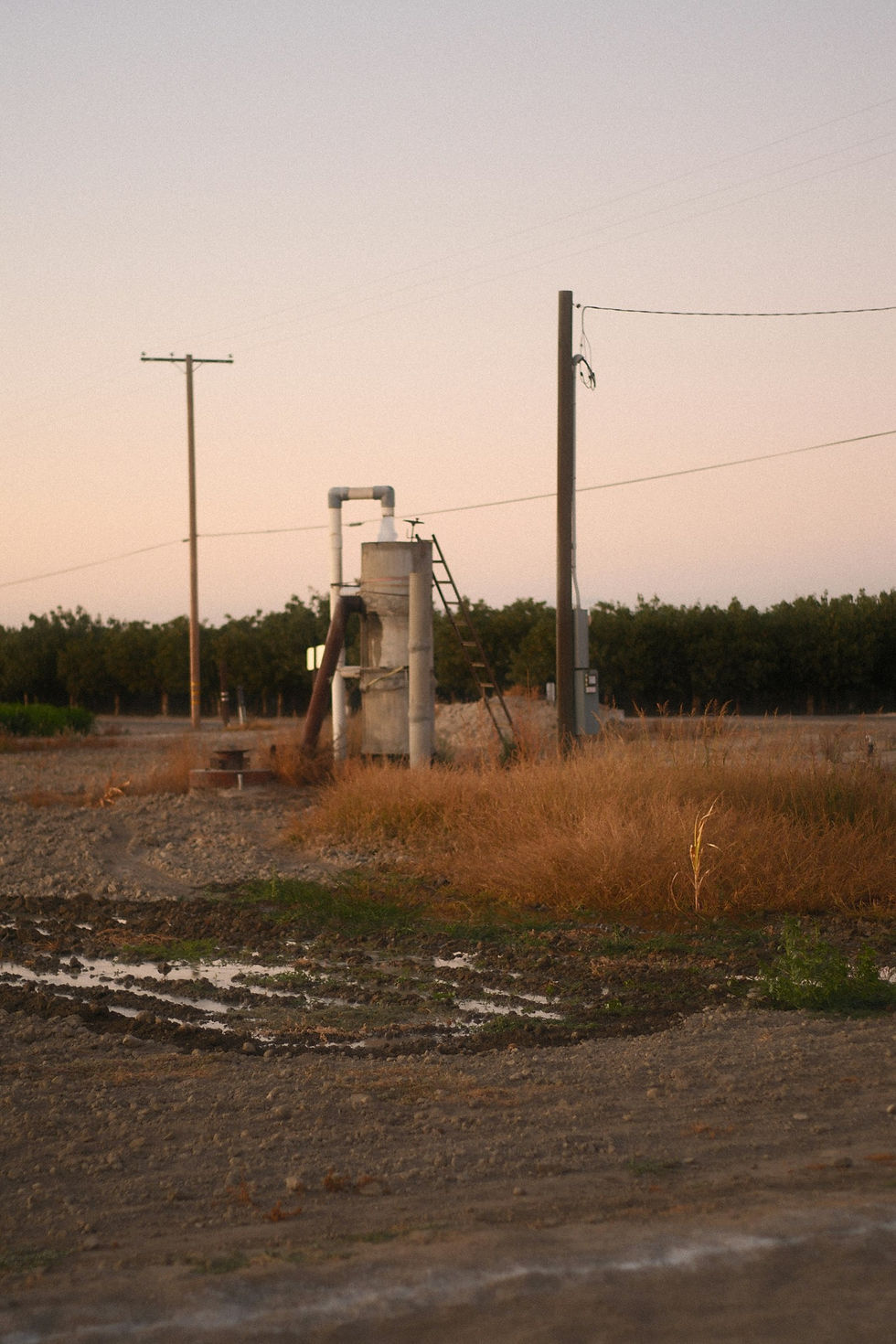
Well location. A clear photo of the wellhead, plus an overhead view that shows where it sits relative to the house, driveway, and any outbuildings.
Septic tank access. Photograph the lids or risers if they are visible. If they are buried, note that and mark the approximate location from the records.
Drainfield area. An aerial photo is the easiest way to show the open area where the field sits. Label it as approximate unless you have a drawing that confirms it.
Water treatment equipment. Softeners, filters, pressure tanks. Photograph them where they are installed.
Dates. Every photo should carry the date it was taken. A dated record is more useful than an undated one.
Keep labels honest. If a line on an aerial image is your best estimate of where the drainfield runs, say "approximate." If it comes from a permit drawing, say that instead.
Where the records live in Tennessee
In Tennessee, subsurface sewage disposal (septic) systems are permitted through the Tennessee Department of Environment and Conservation (TDEC), Division of Water Resources. TDEC's Subsurface Sewage Disposal Systems page covers construction permits for installing a new system or repairing a faulty one, links to its online application for septic-related services, and links to an SSDS record search.
Before listing, it is worth checking what is on file for the property. Having the permit or system drawing ready answers the first question many buyers and lenders ask.
How aerial photography helps
A single overhead photo can show what five ground photos cannot: the house, the well, the likely drainfield area, the driveway, and the slope of the yard in one frame. For a buyer who lives two hours away, that context is the difference between scheduling a showing and scrolling past.
It also helps the seller. When the systems are photographed and labeled before listing, there are fewer surprises during inspection and fewer phone calls asking where things are.
Practical takeaways
Treat the well and septic system as listing features, not afterthoughts.
Pull the TDEC septic record before you list, and keep a copy with your listing file.
Use a dated overhead photo to show where the systems sit on the lot.
Label anything approximate as approximate.
Point buyers to the EPA's septic system and private well guidance so they know what questions to ask their inspector.
If you are listing a rural home and want the yard documented as clearly as the kitchen, contact 48 Pegasus, serving properties within 75 miles of Macon County, Tennessee, across Middle Tennessee and South Central Kentucky.
Sources
How Septic Systems Work — U.S. Environmental Protection Agency — https://www.epa.gov/septic/how-your-septic-system-works
Private Drinking Water Wells — U.S. Environmental Protection Agency — https://www.epa.gov/privatewells
Subsurface Sewage Disposal Systems (SSDS) — Tennessee Department of Environment and Conservation — https://www.tn.gov/environment/permits/water/septic-systems-permits.html
Septic Systems (Decentralized/Onsite Systems) — U.S. Environmental Protection Agency — https://www.epa.gov/septic
Photos: cover by Roger Starnes Sr / Unsplash; inline by Jacob Padilla / Unsplash. Free to use under the Unsplash License.


Comments